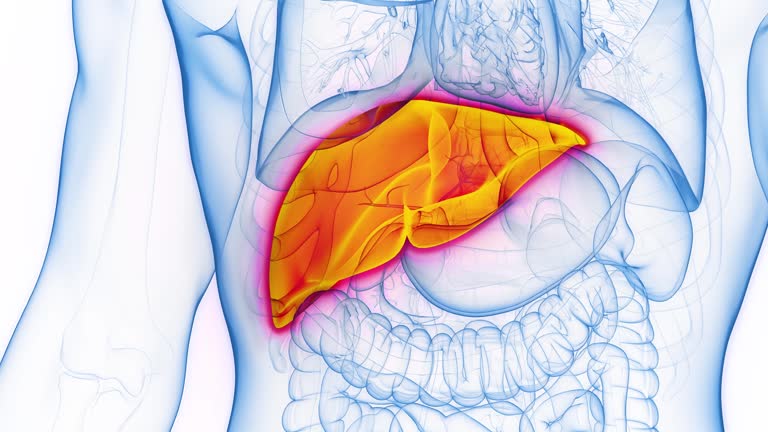
Modafinil is mainly processed by the liver, but that does not mean it commonly damages the liver.
Clinical studies have found occasional increases in liver enzymes among people taking modafinil, but significant abnormalities have been uncommon. Modafinil has also not developed a convincing pattern of clinically apparent liver injury despite widespread use.
The main liver-related concern is different: people with severe liver impairment clear modafinil more slowly, which can substantially increase the amount of the drug in the body.
Key Takeaways
- Modafinil is extensively metabolised by the liver.
- Significant increases in liver enzymes were uncommon in clinical trials.
- Modafinil is considered an unlikely cause of clinically apparent acute liver injury.
- Rare serious hypersensitivity reactions can involve the liver.
- Severe liver impairment can substantially reduce modafinil clearance and increase drug exposure.
- Current prescribing information recommends a lower dose in people with severe hepatic impairment.

Does Modafinil Damage the Liver?
Available evidence does not suggest that modafinil commonly causes direct liver damage.
The National Institutes of Health’s LiverTox database reports a low rate of increases in aminotransferases and alkaline phosphatase, which are laboratory markers often checked when evaluating liver function.
LiverTox assigns modafinil and armodafinil a likelihood score of E, meaning they are considered unlikely causes of clinically apparent liver injury.
Abnormal liver tests have still occurred in clinical studies, and rare serious hypersensitivity reactions associated with modafinil can affect the liver along with other organs.
Can Modafinil Raise Liver Enzymes?
Yes, although significant elevations appear to be uncommon.
Roth et al. (2007) pooled safety data from six randomised, placebo-controlled trials involving 1,529 people with narcolepsy, obstructive sleep apnea, or shift work sleep disorder. Participants received modafinil at doses between 200 and 400 mg per day or placebo for up to 12 weeks.
ALT elevations greater than three times the upper limit of normal occurred in fewer than 1% of participants.
The analysis also found changes in gamma-glutamyl transferase and alkaline phosphatase during treatment, but clinically significant abnormalities were uncommon.
An abnormal liver-enzyme result does not automatically mean that liver damage has occurred. ALT, AST, and other markers can rise for many reasons, and the overall pattern of test results and symptoms matters when determining whether a medication is responsible.
Have Serious Liver Injuries Been Linked to Modafinil?
Evidence for clinically apparent liver injury caused by modafinil is limited.
Chalasani et al. (2015) analysed 899 cases classified as definite, highly likely, or probable drug-induced liver injury through the US Drug-Induced Liver Injury Network. LiverTox notes that none were attributed to modafinil or armodafinil.
LiverTox also reports that modafinil and armodafinil have not been implicated in established cases of clinically apparent acute liver injury despite their widespread use.
This cannot prove that a very rare reaction is impossible. Rare medication reactions may not appear even in relatively large datasets.
Can Severe Allergic Reactions Affect the Liver?
Rare hypersensitivity reactions are a separate liver-related concern with modafinil.
The prescribing information for Provigil warns about serious reactions such as drug reaction with eosinophilia and systemic symptoms, commonly called DRESS, as well as other multi-organ hypersensitivity reactions.
These reactions can affect several parts of the body at once. Reported manifestations have included hepatitis and abnormal liver function tests.
This is different from routine modafinil use gradually damaging the liver. Liver involvement in these cases occurs as part of a rare systemic reaction.
The prescribing information advises stopping modafinil when a multi-organ hypersensitivity reaction is suspected.
How Does the Liver Process Modafinil?
Most modafinil is eliminated after being metabolised, primarily by the liver.
Less than 10% of a dose is excreted unchanged. The drug is converted into metabolites including modafinil acid and modafinil sulfone, which do not appear to account for its wake-promoting effects.
Robertson and Hellriegel (2003) described metabolism as the main route by which modafinil is eliminated from the body.
Modafinil can also affect cytochrome P450 enzymes involved in processing other medications.
Robertson et al. (2000) found effects involving CYP1A2, CYP2B6, CYP2C9, CYP2C19, and CYP3A4/5 in human liver microsomes and hepatocytes. Modafinil inhibited CYP2C19 and induced several other enzymes under experimental conditions.
These effects matter because they can alter the concentrations of other drugs. They are not evidence that modafinil itself is damaging liver tissue.
What Happens If You Have Liver Disease?
Severe liver impairment can make the body eliminate modafinil much more slowly.
The prescribing information for Provigil describes a pharmacokinetic study involving nine people with cirrhosis. Three had Child-Pugh stage B or B+ disease and six had stage C or C+ disease. Eight were jaundiced, and all had ascites.
Modafinil clearance was reduced by about 60%, while steady-state drug concentrations were approximately twice those seen in people with normal liver function.
Because of this increased exposure, current prescribing information recommends reducing the modafinil dose by half in people with severe hepatic impairment.
These findings came from people with advanced cirrhosis and should not be assumed to apply in the same way to everyone with mildly abnormal liver tests or less severe liver disease.
Has Modafinil Been Studied in People With Liver Disease?
One small clinical trial examined modafinil in people who already had chronic liver disease.
Silveira et al. (2017) randomised 40 people with primary biliary cirrhosis, now more commonly called primary biliary cholangitis, to modafinil or placebo for 12 weeks.
Participants taking modafinil started at 100 mg per day, with the option to increase to 200 mg depending on response and tolerability.
Thirty-three people completed the study. Modafinil did not significantly improve fatigue compared with placebo, but it was described as fairly well tolerated. LiverTox’s review of the study notes that liver test results did not change in either group.
The study is reassuring but limited to 40 randomised participants over 12 weeks. It cannot establish long-term safety across all types and severities of liver disease.
Does Long-Term Modafinil Use Harm the Liver?
Longer studies have recorded occasional liver-test abnormalities but have not shown a clear pattern of progressive liver injury.
Mitler et al. (2000) followed 478 adults with narcolepsy in two 40-week open-label extension studies using modafinil doses of 200 to 400 mg per day.
Clinically significant ALT elevations occurred in six participants, or about 1.5%. One participant developed a clinically significant elevation in total bilirubin.
The available report does not establish that these abnormalities represented drug-induced liver injury.
Moldofsky et al. (2000) followed 69 people with narcolepsy during 16 weeks of open-label modafinil treatment. Average ALT levels did not change, although two participants developed increases in both ALT and AST. Neither developed jaundice.
These studies provide useful information beyond short-term clinical trials, but 16 to 40 weeks cannot establish the effects of treatment continued for many years.
Should Liver Function Be Monitored While Taking Modafinil?
Current US prescribing information does not require routine periodic liver-function testing for every person taking modafinil.
Liver testing may be more relevant when someone already has liver disease, has unexplained abnormal liver tests, takes other medications that affect the liver, or develops symptoms that could indicate liver dysfunction or a serious hypersensitivity reaction.
Because ALT and AST can increase for many reasons, an abnormal result while taking modafinil does not by itself prove that modafinil caused it.
Who Should Be More Cautious?
People with severe hepatic impairment require particular caution because they clear modafinil much more slowly.
Liver-related considerations may also be more important for people who:
- already have significant liver disease;
- have unexplained abnormal liver tests;
- take medications with important liver-related effects or interactions;
- develop symptoms of a serious hypersensitivity reaction after starting modafinil.
Modafinil can also change how some other medications are metabolised, so liver health is not the only reason a full medication review may be important.
Bottom Line
Current human evidence does not suggest that modafinil commonly causes clinically significant liver damage.
Liver-enzyme elevations have occurred in clinical trials and longer-term studies, but modafinil has not developed a strong signal for clinically apparent acute liver injury.
The clearer concern is severe pre-existing liver impairment, which can markedly slow modafinil clearance and increase drug exposure. Rare multi-organ hypersensitivity reactions can also involve the liver.
For people without significant hepatic impairment, the available evidence does not support describing modafinil as a generally liver-toxic drug.
FAQs
Is modafinil toxic to the liver?
Modafinil is not considered a commonly hepatotoxic drug. LiverTox classifies modafinil and armodafinil as unlikely causes of clinically apparent acute liver injury. Liver-enzyme abnormalities can still occur in individual patients.
Can modafinil increase ALT or AST?
Yes. ALT and AST elevations have been reported during modafinil treatment. In pooled clinical trials, ALT elevations greater than three times the upper limit of normal occurred in fewer than 1% of participants.
Can modafinil cause fatty liver?
Available clinical evidence does not establish modafinil as a cause of fatty liver disease. Research on modafinil and the liver has primarily identified occasional enzyme abnormalities, altered drug clearance in severe hepatic impairment, and rare liver involvement during systemic hypersensitivity reactions.
Can you take modafinil if you have liver disease?
It depends on the severity of the liver disease. Severe hepatic impairment substantially reduces modafinil clearance. In people with advanced cirrhosis, clearance fell by about 60% and steady-state concentrations approximately doubled. Current prescribing information recommends half the usual dose in severe hepatic impairment.
Does modafinil require liver function tests?
Current US prescribing information does not specify routine periodic liver testing for everyone taking modafinil. Testing may be more relevant in people with existing liver disease, abnormal liver tests, interacting medications, or symptoms suggesting liver dysfunction or a serious hypersensitivity reaction.
Is armodafinil safer for the liver than modafinil?
There is not enough evidence to show that armodafinil is safer for the liver. LiverTox evaluates both drugs together and considers both unlikely causes of clinically apparent acute liver injury.
References
Chalasani, N., Bonkovsky, H. L., Fontana, R., Lee, W., Stolz, A., Talwalkar, J., Reddy, K. R., Watkins, P. B., Navarro, V., Barnhart, H., Gu, J., & Serrano, J. (2015). Features and outcomes of 899 patients with drug-induced liver injury: The DILIN Prospective Study. Gastroenterology, 148(7), 1340–1352.e7. https://doi.org/10.1053/j.gastro.2015.03.006
Mitler, M. M., Harsh, J., Hirshkowitz, M., & Guilleminault, C. (2000). Long-term efficacy and safety of modafinil (PROVIGIL) for the treatment of excessive daytime sleepiness associated with narcolepsy. Sleep Medicine, 1(3), 231–243. https://doi.org/10.1016/S1389-9457(00)00031-9
Moldofsky, H., Broughton, R. J., & Hill, J. D. (2000). A randomized trial of the long-term, continued efficacy and safety of modafinil in narcolepsy. Sleep Medicine, 1(2), 109–116. https://doi.org/10.1016/S1389-9457(99)00014-3
National Institute of Diabetes and Digestive and Kidney Diseases. (2021). Modafinil. In LiverTox: Clinical and research information on drug-induced liver injury. National Library of Medicine.
Robertson, P., Jr., & Hellriegel, E. T. (2003). Clinical pharmacokinetic profile of modafinil. Clinical Pharmacokinetics, 42(2), 123–137. https://doi.org/10.2165/00003088-200342020-00002
Robertson, P., DeCory, H. H., Madan, A., & Parkinson, A. (2000). In vitro inhibition and induction of human hepatic cytochrome P450 enzymes by modafinil. Drug Metabolism and Disposition, 28(6), 664–671.
Roth, T., Schwartz, J. R. L., Hirshkowitz, M., Erman, M. K., Dayno, J. M., & Arora, S. (2007). Evaluation of the safety of modafinil for treatment of excessive sleepiness. Journal of Clinical Sleep Medicine, 3(6), 595–602.
Silveira, M. G., Gossard, A. A., Stahler, A. C., Jorgensen, R. A., Petz, J. L., Ali, A. H., & Lindor, K. D. (2017). A randomized, placebo-controlled clinical trial of efficacy and safety: Modafinil in the treatment of fatigue in patients with primary biliary cirrhosis. American Journal of Therapeutics, 24(2), e167–e176. https://doi.org/10.1097/MJT.0000000000000387